
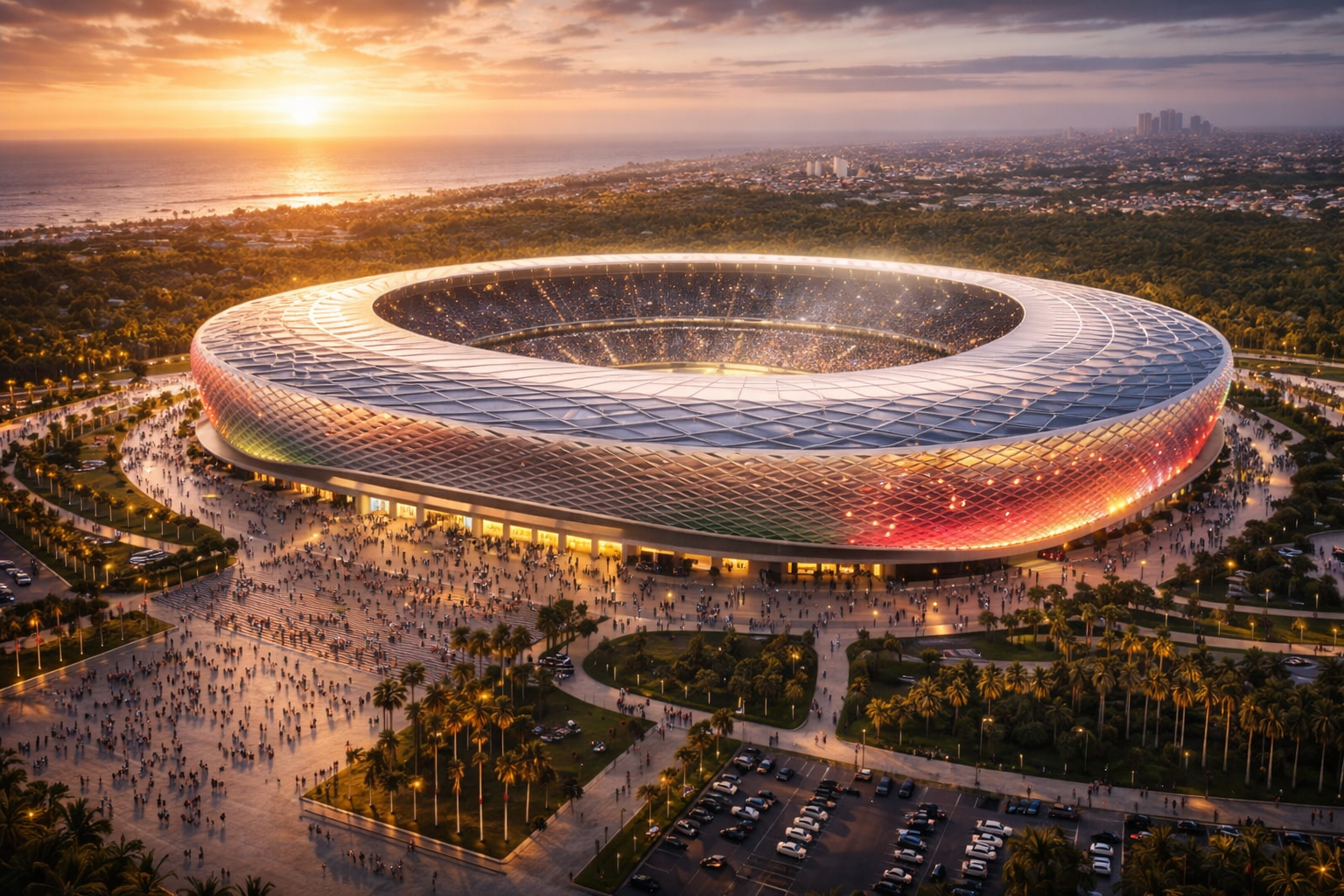
Beyond the Game: A Catalyst for Transformation
The announcement that Morocco will co-host the 2030 FIFA World Cup is more than a sporting achievement; it is a national development milestone. While the "hype" is real, the underlying business reality is even more compelling. This event is serving as a massive catalyst for infrastructure and urban investment across the Kingdom.
Infrastructure and Urban Development
Transport Revolution:** The expansion of the high-speed rail network (Al-Boraq) to Marrakech and Agadir will transform regional connectivity. 2. **Stadiums and Beyond:** The construction and renovation of world-class stadiums are accompanied by massive investments in hotels, hospitals, and digital infrastructure. 3. **Urban Regeneration:
Cities like Casablanca, Rabat, and Tangier are undergoing significant urban transformations to enhance the "fan experience" and permanent resident quality of life.
Real Business Opportunities
The World Cup is creating opportunities across diverse sectors: - **Construction & Real Estate:** High demand for specialized infrastructure and premium hospitality. - **Technology & Telecoms:** Need for robust 5G connectivity and smart city solutions. - **Services & Logistics:** Scaling up capabilities to handle millions of international visitors.
A Long-Term Vision
The goal is not just a successful tournament in 2030, but a legacy of modern infrastructure and global visibility that will drive Moroccan growth for decades. For investors, the time to engage with this roadmap is now.